Sherman R. Frederick/Properly Subversive

I gave up on the TV series “Yellowstone” a couple of seasons ago. I enjoyed the backdrop and the story line, but like a lot of new shows, it went on too long. For me, it ran out of steam and exhausted the original vision by taking the story and character development in odd directions.
That’s a long way to say that I didn’t watch the finale, but I know the left turn of white liberal guilt the conclusion took. (My daughter filled me in.)
Many viewers were not happy. Here’s a take on that dissatisfaction by JackPosobiec. Spoiler alert: It tells all, so be warned.
I think he’s on to something. Here you go. Enjoy.
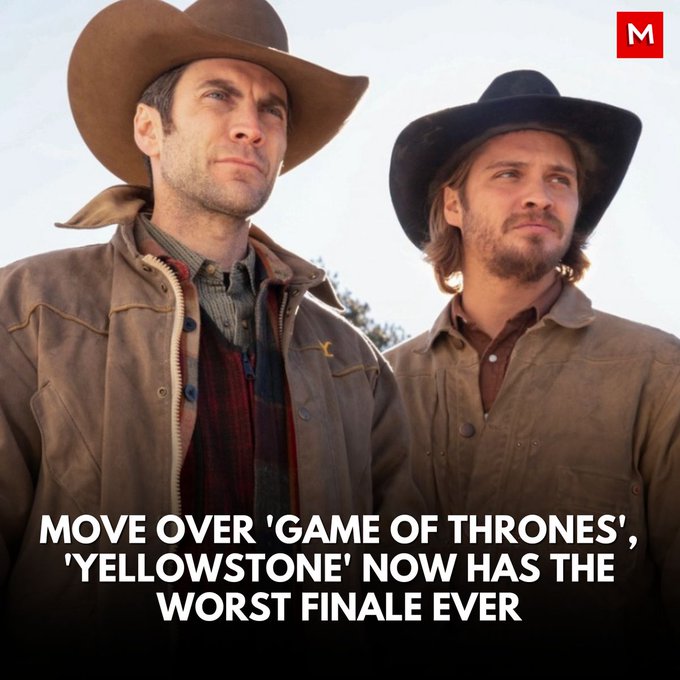
The much-anticipated finale of Yellowstone has left many fans, especially those with conservative leanings, scratching their heads in disbelief. The series, known for its staunch portrayal of the Dutton family’s relentless battle to protect their ancestral land, took an unexpected turn by having the Duttons sell their ranch back to the a Native American tribe.
This plot twist isn’t just a narrative decision; it’s a cultural statement that directly opposes the spirit of the show, embodying the very essence of what I had called “Yellowstoning.”
Yellowstoning: A Media Tactic Unveiled My thesis on “Yellowstoning” from long before the finale aired outlines a subtle strategy where Hollywood uses aesthetics and beloved actors to draw in conservative audiences, only to serve them progressive messages under the guise of entertainment. Here’s how it played out: Aesthetics and Legacy Actors: Yellowstone attracted viewers with its breathtaking landscapes, traditional cowboy ethos, and a cast including legacy actors like Kevin Costner, whose presence harkens back to an era of simpler, more straightforward American storytelling.
This was the bait.
The Woke Message: The finale, however, delivered the hook. By having the Duttons relinquish their land, the show not only subverted its central conflict but also pushed an agenda where land, symbolizing heritage and legacy, is returned to the original inhabitants, a narrative that is a clear critique of historical land acquisition and a nod to modern land rights activism.
The Metaphor for Undermining Western Civilization This decision in the storyline can be seen as a metaphor for the broader cultural battle over the values and narratives of Western Civilization: Legacy vs. Change: The Dutton family stood as a symbol of legacy, hard work, and the fight to maintain what one has built over generations.
Their surrender of the ranch symbolizes a capitulation to modern ideologies that question the legitimacy of historical claims to land and power. Cultural Erosion: Just as the Duttons’ story ends with their land being dismantled and their gravestones mocked, it can be interpreted as a broader allegory for the perceived erosion of traditional American values and the dismantling of historical narratives by contemporary cultural movements.
The Message: By framing the end of the Dutton saga this way, the series suggests that the fight for one’s heritage and land might be futile or even morally wrong in the face of historical reevaluation. It’s a narrative that challenges the viewer to reconsider the ethics of land ownership and cultural dominance, themes deeply intertwined with debates on Western Civilization’s past and present. In essence, Yellowstone’s finale didn’t just conclude a story; it epitomized “Yellowstoning” by leading its conservative audience down a path where the aesthetics of tradition and loyalty were used to introduce and perhaps normalize progressive ideals.
This twist was not just a plot development; it was a cultural statement, one that leaves fans pondering whether the entertainment they love is subtly undermining the very values it once seemed to champion.
(You can read the full column and others here.)
Leave a Reply